

What Is Qi Gong?
Qi Gong is an ancient Chinese practice centered on cultivating qi, often described as the body’s vital energy. While it shares some of the physical fitness benefits found in other forms of exercise—such as improving strength, flexibility and coordination—Qi Gong is especially valued for its ability to restore balance, reduce stress, enhance circulation, and deepen body awareness. These effects are achieved through a unique blend of gentle movement, mindful breathing, and focused attention. Together, they have made Qi Gong a globally embraced practice for promoting health and well-being.
Practicing Qi Gong—or other gentle exercises like Tai Chi—often leaves practitioners with a renewed sense of energy. Many further experience specific physical sensations: tingling in the fingers, warmth gathering in the palms, or a faint “current” flowing through the limbs. In Chinese tradition, these bodily awarenesses are called qìgǎn (氣感, “Qi Sensation”), a phenomenon that can be explained through the science of physiology.
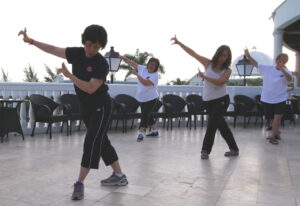
How Gentle Movements Energizes the Body
Periods of inactivity can leave the body feeling stiff, sluggish, and disconnected. Muscles tighten, circulation slows, and nerve responses become dull. Qi Gong helps reverse these effects by reactivating the body’s natural systems:
- Improved Circulation: Gentle exercise boosts blood flow, especially to the skin and extremities. This brings oxygen and nutrients to the tissues while flushing out metabolic waste. The brain, in particular, benefits from this perfusion, enhancing alertness and mental clarity.
- Better Oxygen Delivery: Deep breathing improves oxygen exchange in the lungs and tissues. This enhances both physical endurance and mental clarity.
- Stimulation of the Parasympathetic Nervous System: Breathing techniques and gentle movement help calm the body’s stress response. As the parasympathetic system engages, muscles relax, heart rate lowers, blood vessels dilate, and the body shifts into a more balanced, restful state.
- Boosted Cellular Energy Production: Exercise triggers aerobic metabolism, which stimulates the mitochondria cells to produce ATP (adenosine triphosphate), the source of energy for use and storage at the cellular level.
- Reactivation of Nerves: Inactivity can dull the body’s sensory nerves. Slow, controlled movement “wakes up” these pathways, leading to increased body awareness and sensations like tingling or buzzing.
- Enhanced Mind-Body Awareness: Mindful movement sharpens internal awareness. This often leaves people feeling more connected to their body and more present in the moment.
Together, these effects explain why Qi Gong leaves us feeling energized, centered, and reconnected to the body’s natural rhythms. As circulation improves and sensory nerves reawaken, the subtle feeling of qi often translates into warmth, tingling, or a light buzzing in the fingers and hands.
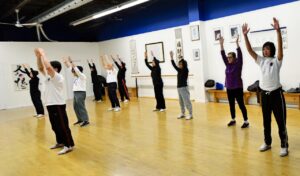
Can the Mind Influence Blood Flow?
Interestingly, the answer is yes—our mind can influence how blood circulates in the body, though not with direct, conscious control like moving an arm or leg. Instead, techniques such as meditation, mental imagery, relaxation, and breathing affect the body’s automatic functions, including blood flow.
This happens through the autonomic nervous system, which regulates key processes like heart rate, blood vessel dilation, and circulation to the skin and extremities. Studies on biofeedback showed that focused imagery, especially when combined with relaxation techniques, can raise hand temperature by 1 to 2°C. This measurable rise reflects increased blood flow to the area, triggered by the body’s natural response to calming mental focus. The breathing element plays a key role by stimulating the parasympathetic nervous system, which promotes relaxation, widens blood vessels, and supports better circulation. At the same time, the act of focusing on a specific body part increases sensory nerve activity, sharpening body awareness and creating sensations that come with the flow of qi.
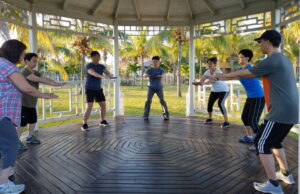
Conclusion: Why We Feel “Qi”
The energized, alive feeling after practicing Qi Gong is rooted in how the body works:
- Improved blood flow and oxygen delivery
- Calming of the nervous system
- Boosted cellular energy production
- Reactivated nerves and heightened body awareness
Call it qi or physiology, the effect is the same. Mindful practices of Qi Gong helps reconnect us to the natural, vibrant energy within.

Qi Gong has definitely helped me whenever I feel stiff and stressed out. After practising Qi Gong, I always feel energized. Plus, my whole body loosens up. At the end of the practice, when I hold my hand in front of my face, I could feel energy flowing out. I am so happy that the videos are available online so that I could access them when I am home or away.